Bundle revenue
Did the merchant generate value through bundles?
Lifecycle marketing · Shopify SaaS
I designed and launched Easy Bundles’ first data-personalised monthly performance email—connecting merchant metrics, CRM experimentation and post-send learning into a repeatable lifecycle system.
See the measured result ↓01 / The opportunity
Installed merchants could see data when they entered the product, but the company lacked a recurring, proactive way to make that value visible and prompt the next useful action.
02 / What I designed
The first iteration prioritised a small set of merchant-readable signals instead of presenting every available number.
Did the merchant generate value through bundles?
How much order activity came through the product?
Were shoppers reaching the bundle experience?
Was bundling increasing basket value?
Which live bundle produced the strongest signal?
Revenue, orders, views, AOV comparison and top bundle.
Three selected insights rather than a dense dashboard dump.
A relevant action and BFCM-oriented services prompt.
03 / Experiment
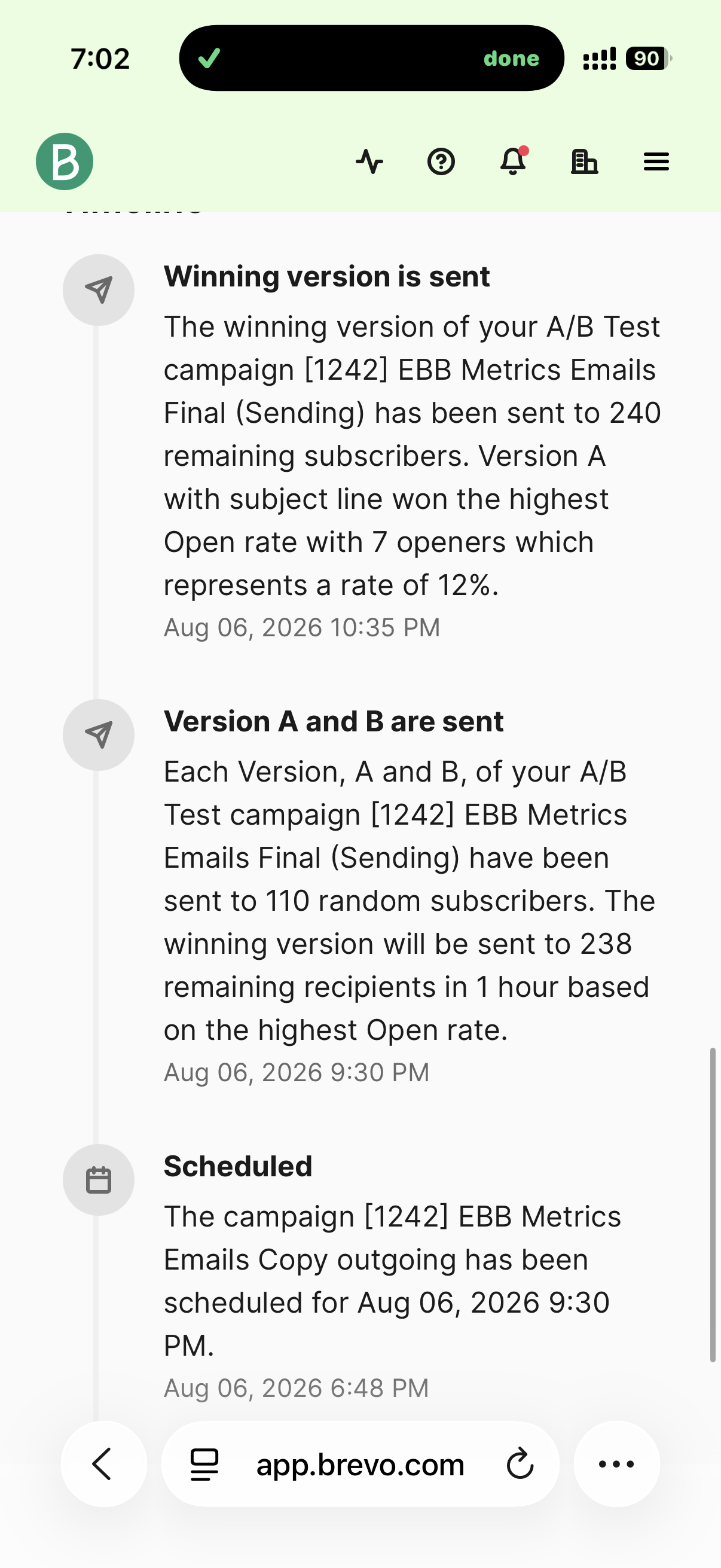
Brevo selected the winner after a one-hour open-rate test and sent it to the remaining audience.
Directly names the asset and reinforces a recurring reporting expectation.
Uses a question-led curiosity frame around merchant performance.
04 / Result
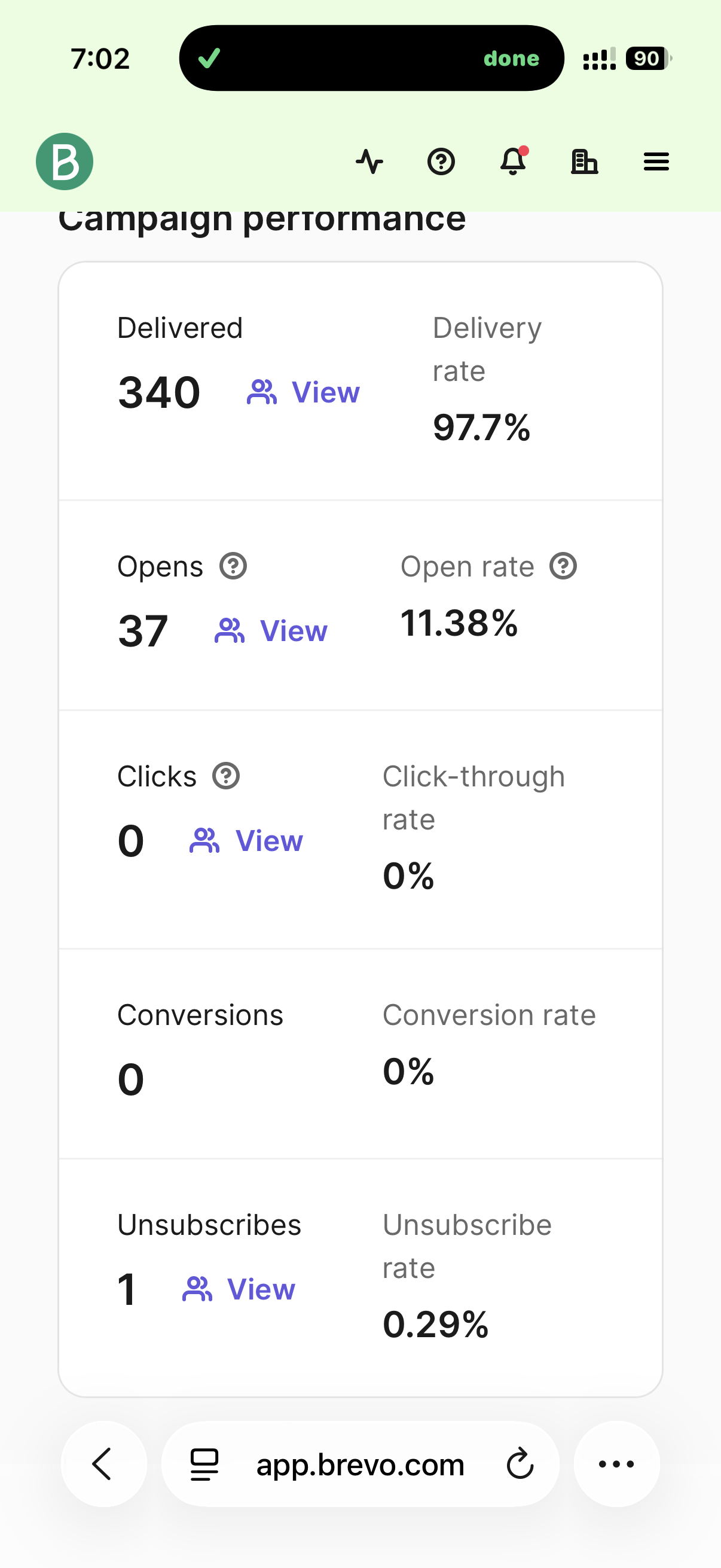
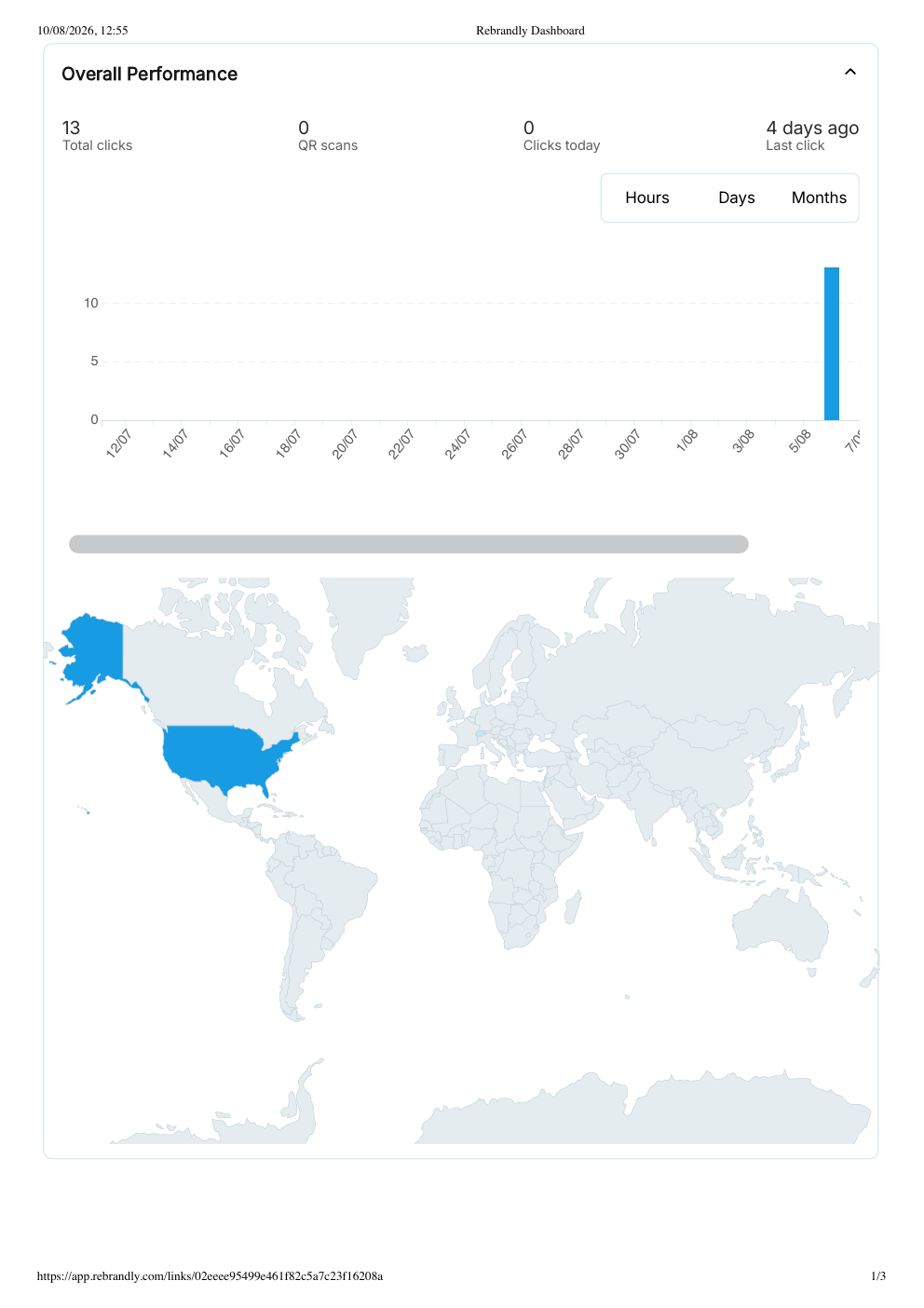
Brevo and Rebrandly did not agree on click activity. Rather than choosing the more flattering dashboard, I preserved both measurements and scoped what each could prove.
Measurement note: Rebrandly classified 30.77% of 13 recorded clicks as unique—approximately four. Until internal or QA traffic is excluded, these are reported as platform-recorded click events, not verified merchant sessions or conversions.
05 / Decision anatomy
The result is not inflated into a conversion claim. The value of this case lies in what shipped, what was learned and how the next iteration changed.
Easy Bundles had merchant-level performance data, but no recurring lifecycle communication that translated those numbers into a reason to return, optimise a bundle or engage with the team.
A useful merchant report could not be a generic newsletter. It needed to answer three questions quickly: did my bundles make money, what worked, and what should I do next?
Create a modular monthly performance email using merchant-specific metrics, a clear diagnostic hierarchy, one relevant recommendation and a focused service CTA.
Campaign architecture, metric hierarchy, insight logic, copy, two subject-line variants, campaign setup, launch review and post-send reconciliation across Brevo and Rebrandly.
Marketing leadership, analytics and engineering/automation stakeholders—to confirm cohort eligibility, metric definitions, available fields and the practical path from a data sheet to a CRM send.
The first Easy Bundles monthly merchant report, including an A/B-tested subject line, personalised performance framing, a BFCM services prompt and tracked destination link.
340 emails were delivered at 97.7%. Brevo recorded 37 opens and an 11.38% open rate. Rebrandly recorded 13 click events, approximately four of them unique. One recipient unsubscribed.
I did not treat data personalisation as sufficient proof of relevance. The launch showed that the next iteration needed sharper segmentation, a more specific recommendation and cleaner cross-platform tracking.
06 / Applied learning
The ongoing Kite campaign moves from broad store-level reporting toward offer-level segmentation, limits the email to the most relevant active offers and avoids declaring an offer successful or unsuccessful without its targeting context.